

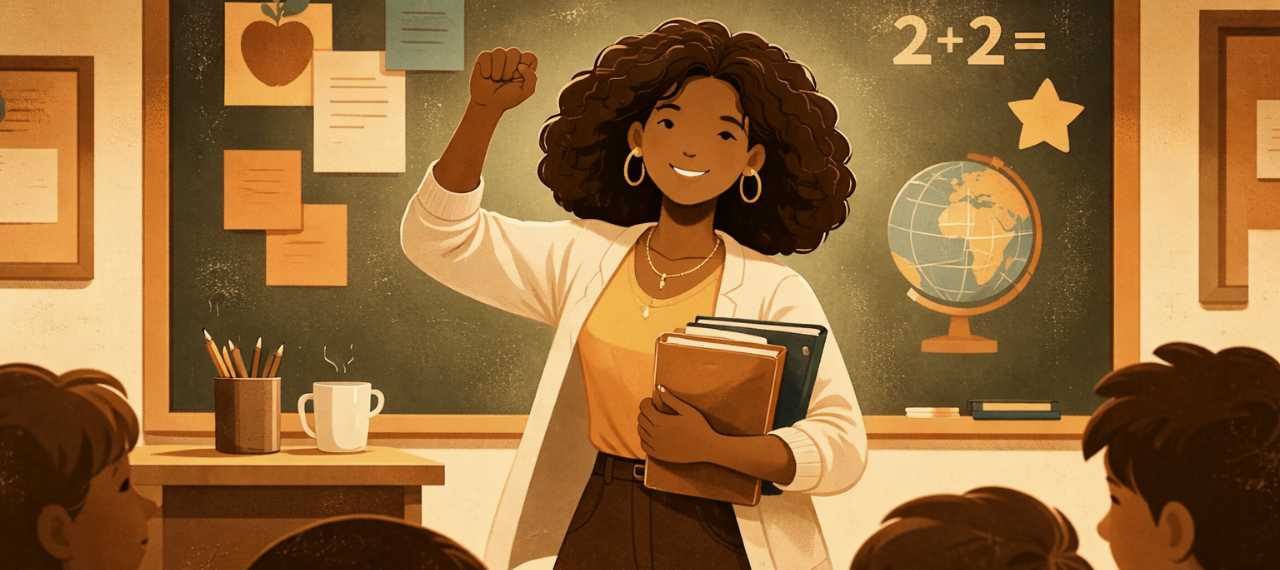
Every March, Women’s History Month celebrates the women who changed the course of history. But in the education industry, women are not just part of history – they are the foundation of the modern education workforce.
Across the United States, women make up the majority of teachers, school staff, and education professionals. From early childhood classrooms to universities, women educators are shaping how students learn, grow, and prepare for the future.
Yet the story of women in education goes beyond representation. It intersects with some of the most pressing education workforce trends today – including teacher shortages, leadership gaps, and the evolving demands of the education profession.
As the education industry looks toward the future, one reality is clear:
Supporting women educators is essential to problem solving some of education’s biggest challenges.
Women Are the Backbone of the Education Workforce
The modern education system relies heavily on women educators.
In the United States, women make up the majority of the K–12 teaching workforce. According to a recent study on teacher demographics, the typical teacher in America today is a woman in her 40’s, reflecting the long-standing presence of women in the classroom.
Women are also driving trends in higher education. Recent enrollment data shows that 8.7 million women were enrolled in undergraduate programs in fall 2024, representing a 4.4% increase in enrollment over the previous two years.
These numbers demonstrate a powerful truth about the education sector:
Women are both educating the next generation and becoming one of the most educated generations in history.
The Gender Gap in Education Leadership
Despite their dominance in the classroom, women remain underrepresented in education leadership roles.
Globally, women represent the majority of teachers but hold fewer senior leadership positions in education systems due to persistent structural and institutional barriers.
In the United States, women lead only about 30% of the largest school districts, revealing a persistent gender gap in education leadership.
For an industry largely powered by women, this imbalance highlights a significant opportunity for change.
Expanding pathways for women leaders in education, including mentorships, leadership development, and equitable advancement opportunities, can strengthen school systems and bring more diverse perspectives to decision-making.
The Teacher Shortage is Also a Women’s Workforce Issue
The story of women in education cannot be told without addressing one of the industry’s biggest challenges today: the ongoing teacher shortage.
Across the country, schools are struggling to recruit and retain qualified educators. One major factor is compensation. Teachers earn about 26.9% less than other college-educated professionals, contributing to burnout and attrition across the profession.
At the same time, the education workforce is aging. Nearly one-fifth of teachers are over the age of 55, meaning many educators are approaching retirement in the coming decade.
Because women make up the majority of the education workforce, these challenges disproportionately affect women in education.
Why Women Leaders Are Critical to the Future of Education
As the education sector evolves, schools are facing complex challenges – from integrating technology in classrooms to addressing student mental health and ensuring equitable learning opportunities.
These shifts require leadership that understands the realities educators face every day.
Women educators bring valuable insight from their experience in classrooms, communities, and school systems. When women advance in leadership roles, they often champion collaborative leadership styles, teacher support systems, and student-centered policies.
In other words: investing in women leaders in education is not just about representation – it’s about strengthening the entire education system.
Women’s History Month and the Future of Education
Women’s History Month often highlights historic figures who shaped education – from pioneering educators to activists who fought for access learning.
But the most important story about women in education is happening now.
It’s in the millions of women teaching students every day.
It’s in the women pursuing degrees and entering the education workforce.
And it’s in the educators working to improve schools for the next generation.
As the education industry continues to evolve, one thing remains clear: the future of education will be shaped by the women who power it.
Take the Next Step in Your Career
At Onward Search Education, we believe the future of education depends on empowering the educators who make it possible. If you’re an educational professional looking to take the next step in your career, we’re here to help you find opportunities where your impact can grow.
Explore open roles and connect with our team to discover how we can support your next chapter in education.